Emoticons Icons Embroidery Review
When I first pulled the Emoticons Icons set into my digitizing software, I didn’t just see a collection of shapes; I saw potential for connection. In a market saturated with floral bouquets and rustic monograms, there is something refreshingly modern about using digital-native symbols in a tactile medium like thread. As a designer who frequently bridges the gap between digital assets and physical craftsmanship, I was eager to test how this Graphics category translation holds up when stitched onto fabric. This isn’t just about cute faces; it’s about mood, recognition, and the specific aesthetic appeal these icons bring to a finished product.
First Impressions: The Digital-to-Thread Transition
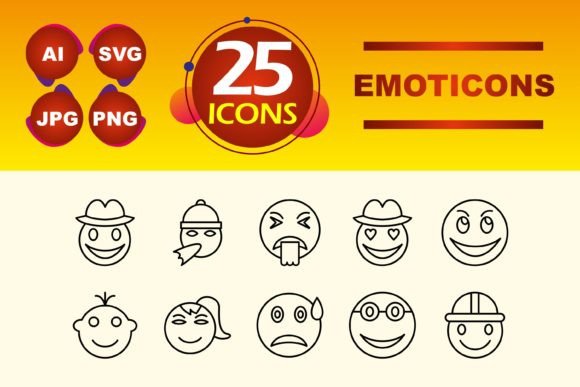
The immediate takeaway from Emoticons Icons is its clean, minimalist personality. Available primarily in a line icon style, the design relies on negative space and consistent stroke weight rather than dense fill areas. For an embroidery designer, this is a double-edged sword that requires careful consideration. The visual personality is playful yet professional, striking a balance that works exceptionally well for brands aiming for a youthful, approachable vibe. Unlike traditional motifs that feel timeless but sometimes dated, these icons feel current, tapping into the universal language of digital communication.
The layout is intuitive, making it easy to isolate single emotions or create a sequence. When I viewed the file as a machine embroidery design, I appreciated the clarity of the paths. There is no clutter, which suggests that if executed correctly, the final stitch-out will be crisp and legible. However, the line-art nature means that the success of the project hinges entirely on precision. A wobbly running stitch can ruin the illusion of a clean vector graphic, turning a sleek emoticon into a fuzzy blob. This demands a high level of confidence from the operator and a steady hand at the machine.
Real-World Application: From Concept to Finished Product
To truly evaluate the utility of Emoticons Icons, I put it through a realistic scenario: creating a custom embroidered tote bag for a small business launch. Imagine a boutique selling handmade skincare products. They want a logo that feels friendly and accessible. Placing a subtle, smiling face icon on the corner of a canvas tote immediately communicates warmth without shouting. It transforms a generic accessory into a branded experience.
This versatility extends far beyond totes. I envision this design thriving on baby clothes, where soft pastel threads can render a gentle smiley face on a onesie, offering a modern twist on nursery decor. For holiday gifts, a sequence of different emoticons could spell out "Happy Holidays" or represent the recipient's favorite moods, adding a deeply personal touch to a knitted scarf or a quilted pillow cover. In the realm of craft fair products, these icons work beautifully on aprons for food vendors or tea towels for kitchenware shops, injecting a bit of humor and personality into functional items.
Furthermore, the embroidery project scope includes digital assets. If you are a creative entrepreneur selling printable mockups or design assets, having a library of Emoticons Icons allows you to showcase how digital trends translate into tangible goods. You can demonstrate to clients how their app interface icons might look if rendered in thread, bridging the gap between UI/UX design and physical branding.
Technical Challenges and Fabric Considerations
While the aesthetic appeal is strong, practical execution reveals several areas where caution is required. The line icon format is particularly sensitive to fabric texture. On a smooth cotton twill, the lines will appear sharp and deliberate. However, on a textured linen or a nubby wool blend, the edges may soften significantly, potentially losing definition. For such materials, I would recommend increasing the contrast between the thread and the fabric, perhaps using a darker thread on a lighter background to ensure the lines remain distinct.
Stretchy fabrics present another hurdle. When embroidering on knitwear, such as a sweatshirt or a cap, the fabric tension must be managed meticulously. Any distortion during stitching can cause the circular or curved elements of the emoticons to become oval or irregular. Using a proper stabilizer is non-negotiable here; a tear-away stabilizer alone may not suffice for stretchy garments, and a cut-away backing might be necessary to maintain integrity through wear and washing. Additionally, curved surfaces like baseball caps require careful hooping techniques to prevent puckering, which could warp the delicate lines of the icon.
Small hoop sizes also demand scrutiny. While the icons are simple, shrinking them too much can make the details indistinguishable. If the eyelets or specific features of the emoticon are fine, reducing the scale below a certain threshold will result in a loss of character. It is crucial to review the design at its intended size before committing to production. If you plan to use this as an embroidered patch or a small accent on a garment, ensure the dimensions allow for clear visibility of the line work.
Strategic Value for Sellers and Makers
For Etsy sellers and small shop owners, Emoticons Icons offers a unique value proposition: high recognizability with low production complexity (in terms of color changes). The universal understanding of these symbols reduces the cognitive load for the buyer; they instantly know what they are getting. This familiarity builds trust and can increase conversion rates for personalized products. A customer buying a gift for a teenager or a young adult is likely to respond positively to a design that speaks their visual language.
The design also lends itself well to customization. Because the icons are modular, you can offer customers choices—letting them pick their favorite expression for a name tag, a backpack, or a journal cover. This interactivity enhances the perceived value of the handmade product. It shifts the transaction from buying a static item to co-creating a personalized experience. Moreover, the clean lines of the line icon style align with contemporary interior design trends, making these items suitable for modern home decor, such as embroidered wall art or decorative cushions.
Practical Designer Notes for Execution
- Test on Scrap First: Always run a test stitch on the actual fabric you intend to use. Observe how the thread interacts with the weave and whether the stabilizer adds unwanted bulk.
- Check Stitch Density: Ensure the digitized density matches the thread type. Fine threads may break if the density is too high, while thick threads may pucker the fabric if the coverage is insufficient.
- Review in Black and White: Convert the design to grayscale to check contrast. If the design looks muddy in black and white, it will likely lack impact in color.
- Inspect Small Details: Zoom in on the smallest curves and intersections. Are they too close together? Will they merge during stitching?
- Confirm Licensing: Before listing any finished product for sale, verify the commercial use rights of the digital embroidery file. Some graphics licenses restrict resale or limit the number of units sold.
- Thread Color Contrast: Avoid low-contrast combinations like light gray thread on white fabric. High contrast ensures the satin stitch or running stitch details pop.
Final Verdict
Emoticons Icons is a versatile and engaging addition to any designer’s toolkit, provided it is handled with technical precision. It excels in projects that benefit from a modern, friendly, and relatable aesthetic. Whether you are creating custom apparel, holiday embroidery pieces, or commercial embroidery assets for brands, this set offers a fresh perspective. By paying attention to fabric choice, stabilization, and stitch quality, you can transform these simple digital symbols into compelling, high-value handmade products that resonate with today’s consumers.